
- You must adhere strictly to Florida’s landlord-tenant laws regarding security deposits and habitability to avoid legal penalties.
- A well-maintained home attracts higher-quality tenants and reduces long-term maintenance costs.
- Utilizing a professional team like Best Orlando Property Management streamlines operations, from screening to maintenance.
Renting out a house in Orlando can be a smart move, especially in a market supported by steady population growth, tourism-driven employment, and long-term rental demand. However, turning a primary residence into a rental property involves more than listing it online and finding a tenant.
Florida has specific landlord-tenant laws, and Orlando’s competitive rental environment requires careful planning, pricing, and compliance.
This guide by Best Orlando Property Management walks through the key steps to renting out your house in Orlando, from preparation and legal requirements to tenant placement and ongoing management.
Want expert guidance on choosing the right rental investment?
Step 1. Decide If Renting Is The Right Option For You
Before moving forward, take time to evaluate whether renting aligns with your financial and personal goals. Some homeowners rent due to relocation, market timing, or as a long-term investment strategy. Others may be testing the waters before committing fully to being a landlord.
Consider factors such as mortgage obligations, expected rental income, maintenance costs, and how involved you want to be day to day. Renting can provide consistent income, but it also comes with legal responsibilities and operational demands.
Step 2. Prepare Your Orlando Home For Rent
A rental property should be safe, functional, and appealing to qualified tenants. Preparation goes beyond basic cleaning. Florida law requires landlords to provide habitable housing, which includes working plumbing, electricity, heating, and structurally sound conditions.
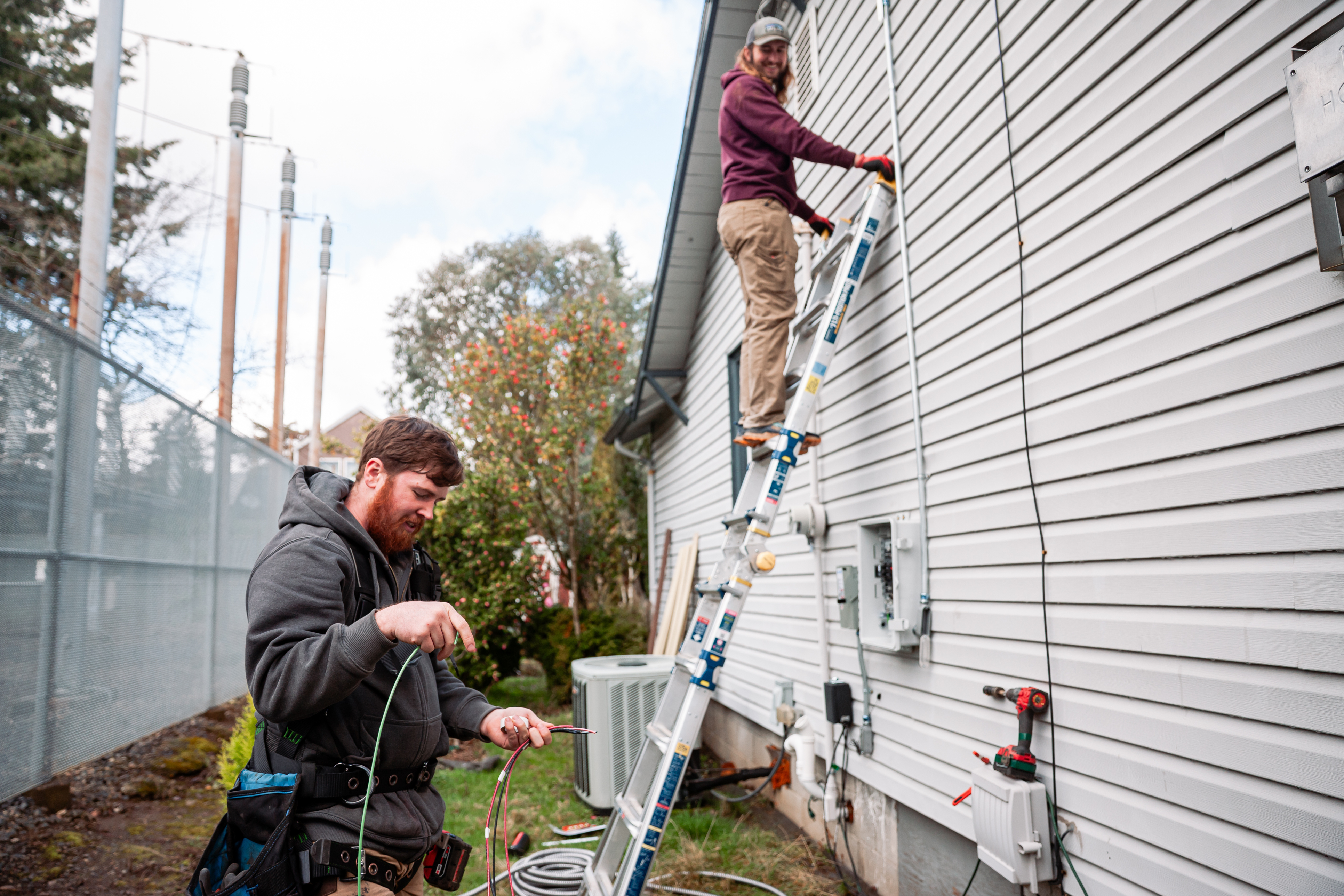
Before listing the home, address deferred maintenance and make sure major systems are in good working order. Common preparation steps include:
- Servicing HVAC systems, which is especially important in Florida’s humid and hot climate.
- Checking for leaks, water damage, or mold concerns that could become health hazards.
- Ensuring doors, windows, and locks function properly for tenant security.
- Testing smoke detectors and other essential safety features.
A well-prepared home attracts better tenants and significantly reduces friction and maintenance issues immediately after move-in.
Step 3. Understand Florida Landlord-Tenant Laws
Knowing Florida landlord-tenant law is essential before renting out your home. These laws govern how leases are structured, how deposits are handled, and how disputes are resolved. Ignorance of the law does not protect landlords from penalties or legal challenges.
Security Deposits
Florida does not limit the amount a landlord can charge for a security deposit, but it does regulate how the deposit is held and returned. Landlords must notify tenants in writing where the deposit is stored and whether it earns interest.
After move-out, the deposit must be returned or an itemized notice of deductions must be provided within the required legal timeframe.
Habitability And Maintenance
Florida law requires landlords to maintain the property in compliance with housing and health codes. This includes ensuring the home is weatherproof, plumbing works properly, and common safety issues are addressed. Tenants also have responsibilities, but the landlord cannot shift fundamental habitability obligations through the lease.
Entry And Privacy
Landlords must provide reasonable notice before entering a rental property, except in emergencies. Clear entry policies should be outlined in the lease to avoid misunderstandings and privacy complaints.
Lease Termination And Evictions
Florida law outlines specific procedures for notices, lease termination, and evictions. "Self-help" evictions, such as changing locks or shutting off utilities to force a tenant out, are strictly prohibited. Following proper legal processes protects landlords from costly mistakes and potential lawsuits.
Step 4. Set A Competitive Rental Price
Pricing your Orlando home correctly affects how quickly it rents and the type of tenants it attracts. Overpricing often leads to longer vacancy periods while underpricing can reduce returns and attract less-qualified applicants.
Rental pricing should reflect:
- Neighborhood-specific demand and local amenities.
- Property size, condition, and unique features (like a pool or updated kitchen).
- Comparable rentals currently leased or listed in the immediate area.
- Seasonal demand trends, as the Orlando market can fluctuate based on the time of year.
Accurate pricing requires local market knowledge and real leasing data. Relying on outdated listings or general online averages can lead to missed opportunities.
Step 5. Create A Strong Lease Agreement
A written lease agreement protects both parties and sets expectations clearly. Florida leases should include details such as rent amount, due date, lease term, maintenance responsibilities, rules for property use, and procedures for renewal or termination.
Clear lease language helps prevent disputes and ensures policies are applied consistently. It also serves as a critical legal reference if issues arise during the tenancy.
Step 6. Market The Property Effectively
Professional marketing helps your rental stand out in a competitive Orlando market. High-quality photos, accurate descriptions, and exposure across multiple listing platforms increase visibility and attract qualified applicants.

Marketing should highlight the property’s strengths without exaggeration. Transparency builds trust with prospective renters and reduces wasted time on unqualified inquiries.
Step 7. Screen Tenants Carefully
Tenant screening is one of the most important steps in the rental process. Proper screening helps identify tenants who are financially stable, responsible, and likely to follow lease terms.
Screening typically includes:
- Income verification to ensure the tenant can afford the monthly rent.
- Credit review to assess financial responsibility.
- Rental history checks to see how they treated previous properties.
- Background screening for safety and security.
Consistent screening standards help reduce late payments, property damage, and early lease terminations. It is also vital to follow Fair Housing laws throughout the screening process to avoid discrimination claims.
Step 8. Consider Working With A Professional Property Management Team
Renting out a house involves ongoing responsibilities that extend far beyond move-in day. Property management covers more than just collecting a check. It includes pricing strategy, marketing, tenant screening, lease administration, maintenance coordination, legal compliance, and constant communication.

Working with a professional property management company like Best Orlando Property Management allows homeowners to rent their properties with professional oversight. A local property management team understands Florida laws, Orlando rental trends, and the operational details required to keep a rental running smoothly.
Step 9. Plan For Ongoing Maintenance And Communication
Successful rentals depend on consistent maintenance and clear communication. Addressing repairs promptly protects the property’s value and supports tenant satisfaction. Preventive maintenance—like regular HVAC filter changes or roof inspections—reduces emergency repairs and long-term costs.
Professional communication also plays a role. Clear processes for maintenance requests, inspections, and renewals help tenants feel supported and significantly reduce turnover rates.
Step 10. Keep Records And Stay Organized
Good recordkeeping supports compliance and financial clarity. Maintain documentation for leases, inspections, repairs, and financial transactions. Organized records are invaluable during disputes, tax preparation, or a future property sale.
Bottom Line
Renting out your house in Orlando can be rewarding, but it requires preparation, legal awareness, and consistent management. Florida landlord-tenant laws set clear expectations, and overlooking them can lead to costly mistakes. From pricing and leasing to maintenance and compliance, each step matters.
Best Orlando Property Management helps homeowners rent with confidence by handling the full scope of property management responsibilities. With professional guidance, owners can protect their investment, reduce risk, and enjoy the benefits of rental ownership without the day-to-day burden.
